


ご存知でしたか? クリック・メディカルにアジャスタビリティ・メンターが誕生
手足が不自由になったばかりの方も、クリック・メディカルのアジャスタブル・テクノロジーについて知りたい方も、ぜひアジャスタブル・メンターにご相談ください。

ルー・フィゲロア
両側 レボフィット® 2015年からのユーザー

シドニー・マッシュバーン
AK 牧師oフィット® 2021年からのユーザー

あなたはプロバイダーですか?
詳細なビデオ、ヒント、コツについては、クリック・アカデミーに登録してください!
この記事を楽しんでいますか?
クリックからの不定期配信メールに登録する® 製品のアップデートや業界の革新について
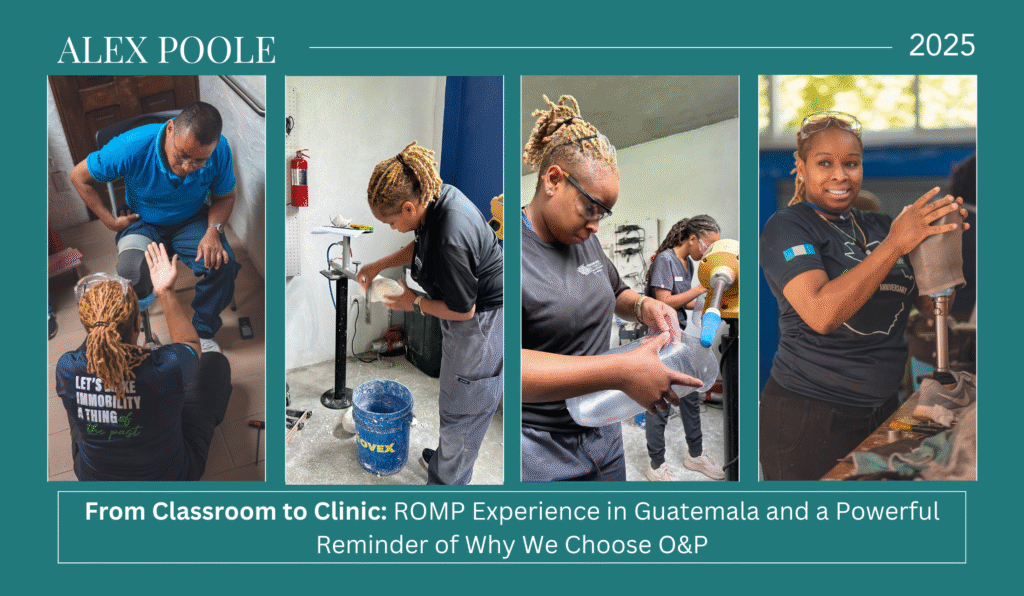
Earlier this year, Alexandria Poole, CPO, joined her students from Kennesaw State University on a volunteer trip with the 可動域プロジェクト(ROMP) to Guatemala. As the Senior Laboratory Coordinator for Kennesaw State University’s Masters of Science in Prosthetics and Orthotics, Alexandria saw this as an opportunity to both guide her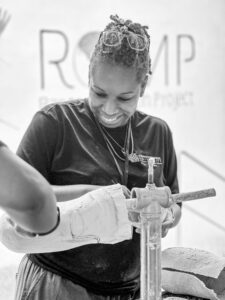 students and get back into the hands-on clinical work she loves.
What started as a chance to chaperone quickly became a powerful reminder of why she chose this field in the first place.
A Week of Intensive Care
The clinic in Guatemala was bustling, with a large number of above-knee amputees being evaluated for microprocessor knees. Alexandria’s team also worked with a variety of other patients, including those with upper limb and below-knee amputations. One of her highlights was watching her students work together to complete bilateral below-knee prostheses from evaluation to final fitting—an experience most students rarely get before residency.
She encountered unforgettable patients, like one man who had carved his own wooden prosthesis from a tree and used a tire for the foot. “His craftsmanship was incredible,” Alexandria said. “It was a powerful reminder that with the right tools, people can do amazing things.”
Where Adjustability Fits In
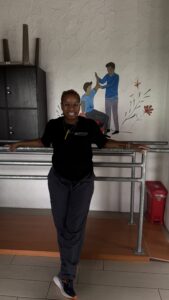
While her ROMP trip did not involve installing クリックメディカル adjustability systems, Alexandria saw clear opportunities for it to make a difference—especially for new amputees who may not return for frequent follow-ups.
“In the U.S., a new amputee might get a new socket within six months as their limb changes. But for ROMP patients, it might be years before they’re seen again,” Alexandria explained. “With adjustable prosthetics, you can fine-tune fit over time—keeping suspension secure and comfort high, without replacing the socket.”
For patients in remote areas, this could mean walking confidently for much longer before needing a full replacement—improving both their mobility and quality of life.
Looking Ahead
Alexandria says she would “absolutely” go on another ROMP trip: “It’s an incredible blend of teaching, learning, and helping. And the gratitude from patients is unforgettable.”
She also encourages other faculty and clinicians to get involved—both by volunteering and donating unused prosthetic components to ROMP’s mission.
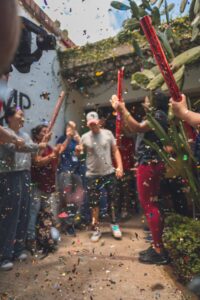
ROMP’s Mission is to ensure access to high-quality prosthetic care for underserved people, improving their mobility and independence.
 Japanese
  English
  Spanish
  French
  German
  Italian
  Arabic
  Ukrainian